In deep-space salvage, no two graveyards are alike. When your command shuttle attaches its docking collar to an uncharted hull adrift in the void, the first question isn't just "what monsters lurk inside?" — it's "what kind of dead machine are we boarding, and how will its dying systems try to kill our drones?"
In Iron Graves, derelict vessels are not generic mazes of tiled hallways. Every derelict belongs to a distinct Starship Archetype with unique compartment layouts, structural decay profiles, power distribution grids, and lethal environmental hazards.
In this transmission, we explore our four primary vessel archetypes, the physics of explosive vacuum decompression, our real-time ShortCircuitFire electrical hazard simulation, and the optimization techniques that keep Godot 4 running at high frame rates during catastrophic structural breaches.
1. The Four Derelict Archetypes
Salvage contracts vary wildly depending on the original mission profile of the drifting vessel:
- Military Patrol Frigates & Cruisers: Heavily armored vessels with fortified blast bulkheads, automated security subroutines, armory vaults, and high-density electrical grids. Breaching security doors requires manual breaker overrides, and automated defense turrets may awaken if power is re-routed carelessly.
- Industrial Ore Refineries & Smelters: Cavernous multi-level engineering bays filled with smelting furnaces, heavy conveyor rails, toxic coolant storage, and combustible fuel conduits. These ships offer abundant raw scrap and heavy alloys but feature high risks of explosive industrial backfires.
- Medical Research Arks & Bio-Labs: Cleanroom complexes transformed into biological nightmares. Featuring cryogenic containment pods, quarantine airlocks, and compromised specimen tanks. Here, players encounter accelerated alien nesting zones and hazardous chemical vapors.
- Colony Transports & Sleeper Arks: Massive modular labyrinths of crew quarters, hydroponic algae bays, and vast personal storage lockers. They contain invaluable pre-fall technology, logs, and drone blueprints, but suffer from severe structural decay, collapsed ceilings, and fragile bulkheads.
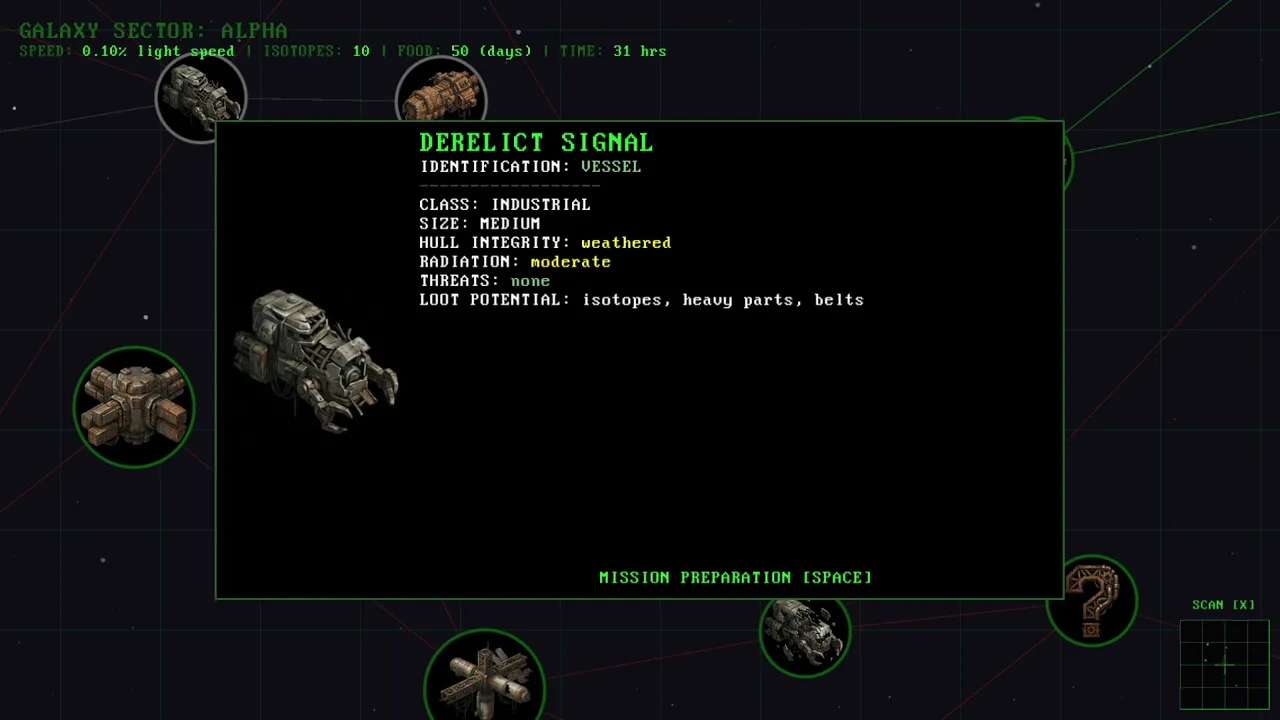 Figure 1: Interior of an Industrial Ore Refinery — showing overhead pipe conduits, structural steel beams, and volumetric atmospheric fog.
2. Vacuum Decompression Dynamics & Airlock Traps
One of the most defining mechanics carried forward from the spirit of Duskers into 3D is airlock venting.
Derelicts operate with localized atmospheric pressure chambers. When an operator issues a command like a4 open while room 4 is exposed to the vacuum of space, atmospheric physics instantly take over:
- Violent Decompression Suction: Air rushes from pressurized rooms toward the breached airlock, dragging unsecured scrap crates, severed cables, and biological entities along the velocity vector.
- Atmospheric Starvation: Venting a room to 0 kPa extinguishes active fires instantly and prevents bio-predators from breathing or tracking acoustic sound waves through air molecules.
- Drone Drag Risk: If your own salvage drones are caught near an opening outer hatch without anchoring thrusters engaged, they can be violently swept into the freezing void, resulting in permanent chassis loss.
[ATMOSPHERIC MONITOR] SECTOR D-02: 101.3 kPa (PRESSURIZED)
> a3 cycle_external
[AIRLOCK 3] OUTER HATCH UNSEALED. VACUUM DIFFERENTIAL: -101.3 kPa
[PHYSICS_SIM] VELOCITY IMPULSE APPLIED: 840 N TOWARD VECTOR3(-18.4, 0.0, 4.2)
[SCANNER] UNIDENTIFIED BIO-MASS SWEPT THROUGH AIRLOCK 3 INTO THE VOID.
[ATMOSPHERIC MONITOR] SECTOR D-02 PRESSURE: 0.0 kPa (VACUUM SECURED)
3. Electrical Hazards & The ShortCircuitFire System
Power grids on centuries-old derelicts are unstable. When you insert a salvaged fuel cell into a central Generator room, current surges through degraded copper conduits across the ship:
Substations with damaged insulation trigger high-voltage arcing. In our engine architecture, this is governed by the ShortCircuitFire node. If a room's power is overloaded, electrical discharge ignites localized sparking barriers that block drone navigation pathways and destroy sensitive sensory suites.
Clever operators turn this hazard into an offensive barrier: by intentionally short-circuiting a sub-panel in an approach corridor, you can lay down an impassable electric arc to prevent a pursuing hive predator from reaching your salvage squad.
4. Performance Optimization: Rapid AABB Box Collisions
Real-time destructibility and environmental chaos can quickly degrade performance if not engineered carefully. When an electrical overload or gas canister explosion detonates inside a complex server room with dozens of procedural props, physics calculation is a major bottleneck.
In standard game development, running mesh.create_convex_shape() at runtime for intricate destroyed debris causes noticeable frame-time spikes (micro-stutter). To guarantee a smooth 60+ FPS experience on PC and Steam Deck:
- Pre-Calculated AABB Bounding Shapes: Our destruction pipeline generates lightweight box colliders derived directly from mesh axis-aligned bounding boxes (AABB), bypassing costly convex hull calculations entirely.
- Deterministic Effect Ordering: Non-visual logic nodes (such as
ShortCircuitFireand damage listeners) are always attached to stable scene tree nodes after visual geometry generation, avoiding redundant node re-creation. - Zero Real-Time Allocation Overhead: Debris fragments utilize instanced meshes with pre-allocated physics bodies, keeping garbage collection pauses to absolute zero.
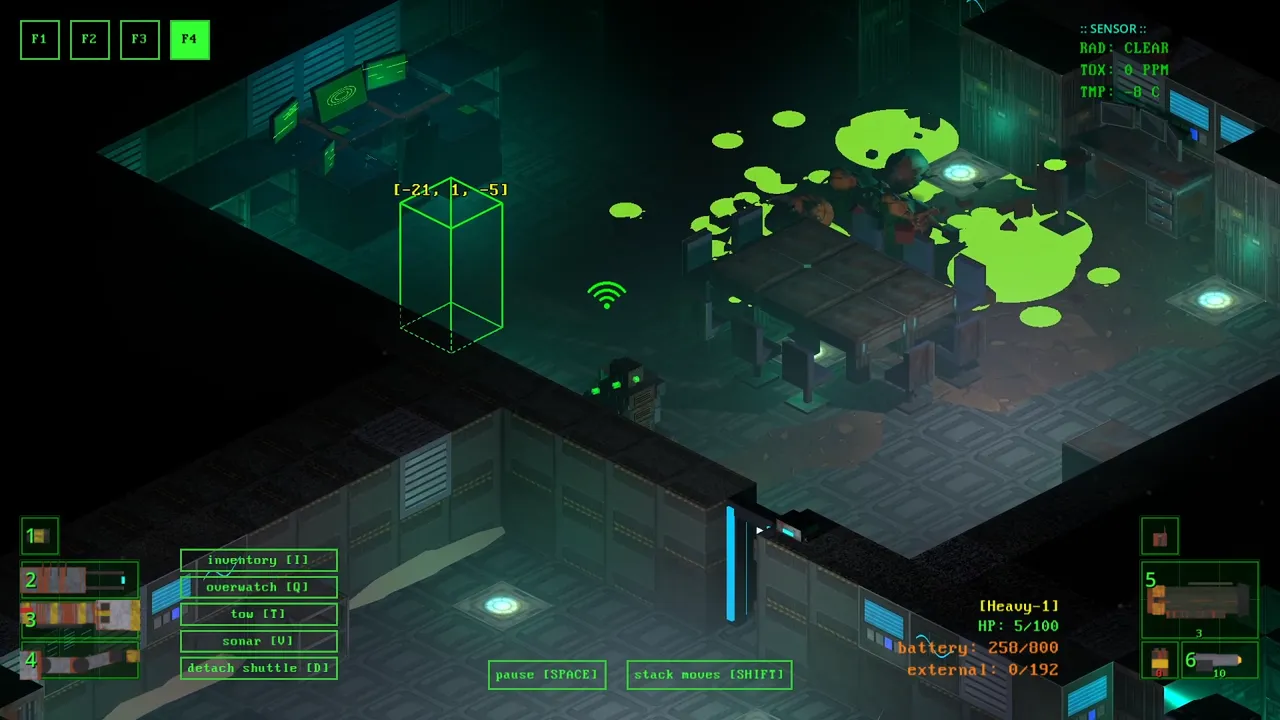 Figure 2: Tactical Schematic Overlay — mapping energized power conduits, room pressure differentials, and active electrical hazard zones.
5. Built in Godot 4 for Maximum Immersion
Godot 4's Forward+ rendering engine enables atmospheric features that make derelict salvage truly terrifying:
- Volumetric Dust & Decay: Tapered procedural dust piles and micro-debris settle along bulkhead baseboards, scaling dynamically with the decay level of the host vessel.
- Directional Spatial Audio Bus: Sound waves attenuate realistically through sealed doors and travel through metal hulls, giving operators tactile audio feedback when bulkheads strain under pressure.
- Retro CRT Terminal Shaders: Monospace green-phosphor text displays, scanlines, and camera signal static simulate the feeling of an operator isolated in a cold cockpit light-years from Earth.
6. Join the Salvage Expedition
Whether you are a veteran operator from Duskers looking for its volumetric 3D evolution or a sci-fi roguelite enthusiast hungry for tactical space salvage, Iron Graves is being engineered for you.
OPERATOR ACTION REQUIRED: WISHLIST ON STEAM
Wishlisting on Steam is the most effective way to help our indie team gain algorithm visibility. Back our journey and receive technical transmission alerts as development progresses!